Bush Studies: Restored Classics to Go Edition
About this ebook
Discover more
About the author
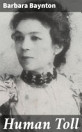
Barbara Baynton was an Australian writer born in the mid-nineteenth century who lived through a life shaped by hardship, movement, and close observation of the harsh realities of colonial rural life. After experiences that included marriage, separation, and years spent in demanding and often precarious circumstances, she turned that hard-won knowledge into fiction of unusual force and originality. She became best known for her stark, unsentimental stories about the Australian bush, where isolation, poverty, violence, loneliness, and the vulnerability of women are rendered with a precision that was rare in her time. Rather than romanticizing the landscape, she exposed its dangers and the social cruelties hidden beneath national myths of toughness and mateship, giving voice to people often left out of heroic accounts of the nation's past. Her work remains striking today for its emotional honesty, its attention to gender and power, and its refusal to soften suffering for the sake of comfort or convention. Baynton's legacy lies in her fearless realism and her challenge to the way Australian identity was imagined in literature, making her an important figure for readers interested in feminist writing, frontier history, and stories that reveal the cost of survival. Readers who appreciate intense, atmospheric fiction with a sharp social conscience will find her especially rewarding.