Flush
កុម្ភៈ 2015 · Random House
star
ការវាយតម្លៃ 1
សៀវភៅអេឡិចត្រូនិច
144
ទំព័រ
family_home
មានសិទ្ធិ
info
អំពីសៀវភៅអេឡិចត្រូនិកនេះ
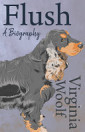
Flush was an English cocker spaniel who belonged to the nineteenth-century poet Elizabeth Barrett Browning. Virginia Woolf learned of him from the love letters Elizabeth wrote to her future husband, fellow poet Robert Browning, and found ‘the figure of their dog made me laugh so, I couldn't resist making him a Life.’ The resulting ‘biography’ combines sensuous imaginative description with sharp social comment, and brings Woolf’s unsentimental humour and insight to the fore. We see Flush as loyal confidant to Elizabeth on her sickbed at Wimpole Street, and from his jealous perspective we witness her courtship by Browning, their elopement and new life in Italy. The perfect accessible introduction to Woolf’s genius, a unique blend of fact and fiction, Flush is perhaps best read in the company of a canine companion.
This edition includes the four original illustrations by Vanessa Bell and an afterword by Margaret Forster.
Cover designed by the award-winning Finnish designer Aino-Maija Metsola
Flush was an English cocker spaniel who belonged to the nineteenth-century poet Elizabeth Barrett Browning. Virginia Woolf learned of him from the love letters Elizabeth wrote to her future husband, fellow poet Robert Browning, and found ‘the figure of their dog made me laugh so, I couldn't resis...
ស្វែងរកច្រើនទៀត
ការដាក់ផ្កាយ និងមតិវាយតម្លៃ
ការវាយតម្លៃ 1
អំពីអ្នកនិពន្ធ
Virginia Woolf was born in London in 1882, the daughter of Sir Leslie Stephen, first editor of The Dictionary of National Biography. From 1915, when she published her first novel, The Voyage Out, Virginia Woolf maintained an astonishing output of fiction, literary criticism, essays and biography. In 1912 she married Leonard Woolf, and in 1917 they founded the Hogarth Press. Virginia Woolf suffered a series of mental breakdowns throughout her life, and on 28 March 1941 she committed suicide.
Virginia Woolf was born in London in 1882, the daughter of Sir Leslie Stephen, first editor of The Dictionary of National Biography. From 1915, when she published her first novel, The Voyage Out, Virginia Woolf maintained an astonishing output of fiction, literary criticism, essays and biography....
វាយតម្លៃសៀវភៅអេឡិចត្រូនិកនេះ
ប្រាប់យើងអំពីការយល់ឃើញរបស់អ្នក។
អានព័ត៌មាន
ទូរសព្ទឆ្លាតវៃ និងថេប្លេត
ដំឡើងកម្មវិធី Google Play Books សម្រាប់ Android និង iPad/iPhone ។ វាធ្វើសមកាលកម្មដោយស្វ័យប្រវត្តិជាមួយគណនីរបស់អ្នក និងអនុញ្ញាតឱ្យអ្នកអានពេលមានអ៊ីនធឺណិត ឬគ្មានអ៊ីនធឺណិតនៅគ្រប់ទីកន្លែង។
កុំព្យូទ័រយួរដៃ និងកុំព្យូទ័រ
អ្នកអាចស្ដាប់សៀវភៅជាសំឡេងដែលបានទិញនៅក្នុង Google Play ដោយប្រើកម្មវិធីរុករកតាមអ៊ីនធឺណិតក្នុងកុំព្យូទ័ររបស់អ្នក។
eReaders និងឧបករណ៍ផ្សេងទៀត
ដើម្បីអាននៅលើឧបករណ៍ e-ink ដូចជាឧបករណ៍អានសៀវភៅអេឡិចត្រូនិក Kobo អ្នកនឹងត្រូវទាញយកឯកសារ ហើយផ្ទេរវាទៅឧបករណ៍របស់អ្នក។ សូមអនុវត្តតាមការណែនាំលម្អិតរបស់មជ្ឈមណ្ឌលជំនួយ ដើម្បីផ្ទេរឯកសារទៅឧបករណ៍អានសៀវភៅអេឡិចត្រូនិកដែលស្គាល់។