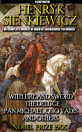
With Fire And Sword: Restored Classics to Go Edition
About this ebook
Discover more
About the author
Henryk Sienkiewicz was a Polish novelist, journalist, and patriot whose life unfolded during a period of political upheaval and national struggle, and whose writing helped give voice to a people living under partition. Born in 1846, he worked as a reporter and traveled widely before becoming one of the most celebrated authors of his time, eventually receiving the Nobel Prize in Literature in 1905 for his extraordinary achievement in epic storytelling. He became famous for sweeping historical novels that combined adventure, vivid characters, and a strong sense of moral purpose, especially in his portrayals of Poland's past and the resilience of its people. His fiction often explores courage, loyalty, sacrifice, faith, and the tension between private conscience and public duty, while also showing how history shapes identity and how nations endure through memory and imagination. Though rooted in the conflicts of earlier centuries, his work still feels relevant today because it asks how people preserve dignity under pressure, how communities survive division, and why stories of the past continue to matter in times of uncertainty. Sienkiewicz's legacy endures not only in Polish literature but in world literature as a master of the historical novel, admired for his narrative energy and emotional power. Readers who enjoy grand historical fiction, heroic drama, and richly imagined tales of endurance and national spirit will find him especially rewarding.