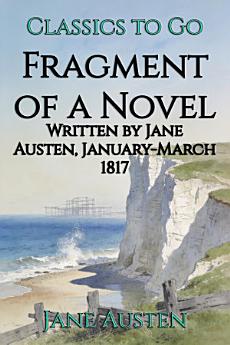
Fragment of a Novel: Restored Classics to Go Edition
About this ebook
Discover more
About the author
Jane Austen was born in 1775 in Hampshire, England, into a close-knit clerical family that nurtured her wit, intelligence, and love of reading. Though her life was comparatively quiet and largely spent within the social world she knew best, she became one of English literature's most enduring voices, publishing her major novels in the early nineteenth century and refining a style that combined sharp observation, elegance, irony, and moral insight. She wrote about courtship, marriage, money, class, manners, and the pressures placed on women, but her real achievement was to reveal how much power could be hidden inside ordinary domestic life. Her unfinished final work, written in the last months before her death in 1817, shows that her creative energy remained vivid to the end. Austen's fiction continues to matter because it captures the tension between private feeling and social expectation, a struggle that still resonates in modern life. Her heroines are often constrained by circumstance, yet they think critically, speak memorably, and insist on their own judgment, making her a lasting voice for intelligence and self-respect. Today she remains significant not only as a master of comedy and character, but also as a writer who understood the economics of marriage, the subtleties of power, and the importance of personal integrity. Readers who enjoy sparkling dialogue, keen social satire, and stories about love, independence, and human folly will find her work especially rewarding.


