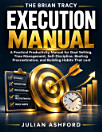
About this ebook
Written by Julian Ashford, this focused guide explains complex terminology in plain English. It distinguishes Financial Institution Notices (FINs) and Schedule 36 information notices from Direct Recovery of Debts (DRD), using practical examples, comparison tables, checklists and decision trees to help readers organise evidence and identify sensible next steps. It encourages verification against current HMRC and GOV.UK guidance without promising a guaranteed outcome.
Inside, readers will discover:
Bank-account access explained
FINs and legal authority
Schedule 36 notices
DRD and eligible tax debts
Consent and notification safeguards
HMRC and banks’ roles
Tax enquiries versus debt recovery
Reading official correspondence
Deadlines and requested actions
Reconciling confusing transactions
Evidence and audit trails
Reviews, appeals and complaints
Time to Pay and cash flow
Scam-verification steps
A practical record-keeping toolkit
Rather than dense tax-law theory or frightening claims, the guide uses everyday examples for freelancers, sole traders, landlords and small-business owners. It cannot replace individual tax or legal advice or guarantee that a notice can be challenged. Instead, it helps readers identify the procedure, gather relevant documents and recognise when specialist support may be appropriate.
If you want clearer answers about HMRC bank account access, then start with this practical guide.