About this ebook
Discover more
About the author
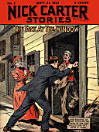
Nicholas Carter, better known to generations of readers by his house-name as the ever-resourceful detective at the center of popular dime fiction, emerged from the fast-moving world of late nineteenth- and early twentieth-century mass entertainment, where speed, suspense, and clear moral stakes mattered as much as style. Associated with a long-running series of sensational detective tales, Carter became one of the most recognizable figures in early American pulp fiction, helping define the modern template for the brilliant private investigator who solves crimes through intelligence, disguise, and relentless pursuit. Though written by multiple hands under a shared name, the character's enduring appeal came from his blend of confidence, ingenuity, and moral certainty, qualities that made the stories both thrilling and reassuring to readers navigating a rapidly changing urban world. The tales often explored corruption, hidden criminal networks, social anxiety, and the tension between appearance and reality, themes that still feel familiar in an age of public deception, organized crime, and distrust of institutions. Carter's legacy lies not only in the popularity of the stories themselves but also in their influence on detective fiction, pulp storytelling, and the broader idea of the action-oriented sleuth. Today, readers interested in the roots of mystery fiction, vintage adventure, and the history of popular culture will find Nicholas Carter especially rewarding.