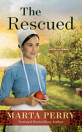
The Forgiven
តុលា 2014 · Keepers of the Promise សៀវភៅទី 1 · Penguin
star
ការវាយតម្លៃ 4
សៀវភៅអេឡិចត្រូនិច
384
ទំព័រ
ឧបករណ៍
info
family_home
មានសិទ្ធិ
info
អំពីសៀវភៅអេឡិចត្រូនិកនេះ
In the first novel in the Keepers of the Promise trilogy, three cousins sort through the treasures of their Amish family and discover stories from the past that provide inspiration for their own lives...
Central Pennsylvania, current day. Rebecca Fisher gladly accepted her husband Paul’s dreams as her own, but now that he has passed away, she’s struggling to raise two children and keep her home. Renting her stable to carpenter Matthew Byler offers a partial solution—even though Matthew has a troubled history, having sometimes failed to embrace Amish beliefs. As Matthew seeks to prove himself, Rebecca realizes how dependent she has become on others. Where can she find the courage to grow and change?
Lancaster County, 1941. As war threatens, Anna Esch pours her experiences into her diary. Her world seems to crumble as neighbors turn against the Amish and her love, Jacob, is sent to a camp far away for refusing to fight. She can’t know, as she grows from a girl into a woman during a time of trouble and grief, that one day another Amish woman will gain strength from the words she writes and will learn that she, too, can become a keeper of the promise.
In the first novel in the Keepers of the Promise trilogy, three cousins sort through the treasures of their Amish family and discover stories from the past that provide inspiration for their own lives...
Central Pennsylvania, current day. Rebecca Fisher gladly accepted her husband Paul’s dreams...
ស្វែងរកច្រើនទៀត
ការដាក់ផ្កាយ និងមតិវាយតម្លៃ
ការវាយតម្លៃ 4
អំពីអ្នកនិពន្ធ
A lifetime spent in rural Pennsylvania and her own Pennsylvania Dutch roots led Marta Perry to write about the Plain People who add to the rich heritage of her home state. She is the author of more than fifty inspirational romance novels, including the Pleasant Valley series and the Keepers of the Promise trilogy. She lives with her husband in a century-old farmhouse.
A lifetime spent in rural Pennsylvania and her own Pennsylvania Dutch roots led Marta Perry to write about the Plain People who add to the rich heritage of her home state. She is the author of more than fifty inspirational romance novels, including the Pleasant Valley series and the Keepers of th...
វាយតម្លៃសៀវភៅអេឡិចត្រូនិកនេះ
ប្រាប់យើងអំពីការយល់ឃើញរបស់អ្នក។
អានព័ត៌មាន
ទូរសព្ទឆ្លាតវៃ និងថេប្លេត
ដំឡើងកម្មវិធី Google Play Books សម្រាប់ Android និង iPad/iPhone ។ វាធ្វើសមកាលកម្មដោយស្វ័យប្រវត្តិជាមួយគណនីរបស់អ្នក និងអនុញ្ញាតឱ្យអ្នកអានពេលមានអ៊ីនធឺណិត ឬគ្មានអ៊ីនធឺណិតនៅគ្រប់ទីកន្លែង។
កុំព្យូទ័រយួរដៃ និងកុំព្យូទ័រ
អ្នកអាចស្ដាប់សៀវភៅជាសំឡេងដែលបានទិញនៅក្នុង Google Play ដោយប្រើកម្មវិធីរុករកតាមអ៊ីនធឺណិតក្នុងកុំព្យូទ័ររបស់អ្នក។
eReaders និងឧបករណ៍ផ្សេងទៀត
ដើម្បីអាននៅលើឧបករណ៍ e-ink ដូចជាឧបករណ៍អានសៀវភៅអេឡិចត្រូនិក Kobo អ្នកនឹងត្រូវទាញយកឯកសារ ហើយផ្ទេរវាទៅឧបករណ៍របស់អ្នក។ សូមអនុវត្តតាមការណែនាំលម្អិតរបស់មជ្ឈមណ្ឌលជំនួយ ដើម្បីផ្ទេរឯកសារទៅឧបករណ៍អានសៀវភៅអេឡិចត្រូនិកដែលស្គាល់។