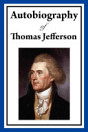
The Writings Of Thomas Jefferson: Restored Classics to Go Edition
About this ebook
Discover more
About the author
Thomas Jefferson was born in 1743 in colonial Virginia, educated at the College of William and Mary, and trained as a lawyer before becoming one of the central figures of the American Revolution and the early republic. A gifted writer as well as a statesman, he served as the principal author of the Declaration of Independence, later became governor of Virginia, minister to France, secretary of state, vice president, and the third president of the United States. Across his vast body of letters, reports, speeches, and public papers, Jefferson revealed a mind deeply engaged with questions of liberty, government, education, faith, science, and the responsibilities of citizenship. His writing is admired for its clarity, force, and intellectual ambition, and it helped shape the language of American democracy itself. At the same time, his legacy is complex, marked by enduring contradictions between his ideals of freedom and the realities of slavery in his life and era. That tension makes him especially relevant today, as readers continue to wrestle with the gap between national principles and lived practice. Jefferson remains significant not only as a founder but as a thinker whose words still invite debate about rights, equality, public education, and the role of government in a free society. Readers who enjoy political history, founding-era America, and eloquent prose that combines vision with controversy will find him especially rewarding.