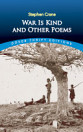
War Is Kind: Restored Classics to Go Edition
About this ebook
About the author
Stephen Crane was an American writer and journalist whose brief life left an outsized mark on modern literature. Born in 1871 in New Jersey, he came of age during a period of rapid urban growth, social change, and public fascination with war, poverty, and the rough edges of American life. Though he died young in 1900, Crane produced a body of work that helped reshape fiction and poetry with its spare style, psychological intensity, and unsentimental vision. He is best known for his groundbreaking war fiction, naturalistic novels, and vivid poems that reject easy heroism in favor of ambiguity, fear, and human vulnerability. Across his writing, Crane returned again and again to themes of isolation, chance, the indifference of nature, and the gap between romantic ideals and harsh reality. Those concerns still feel strikingly modern, especially in a world that continues to wrestle with conflict, uncertainty, and the pressure to make meaning out of suffering. His work remains significant for the way it anticipates modernist techniques and for its refusal to flatter readers with comforting illusions. Today, Crane endures as a writer of fierce honesty and compressed power, someone who showed how literature can confront violence and despair without losing compassion. Readers who appreciate lean prose, psychological depth, and unsparing reflections on war and human endurance will find him especially rewarding.