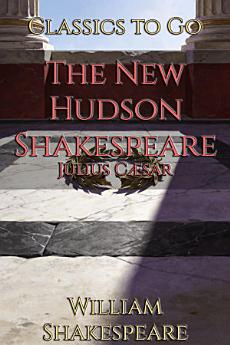
The New Hudson Shakespeare: Restored Classics to Go Edition
About this ebook
Discover more
About the author
William Shakespeare, born in Stratford-upon-Avon in 1564, rose from relatively modest beginnings to become the most celebrated playwright and poet in the English language. After marrying Anne Hathaway and raising a family, he made his way to London, where his career flourished amid the vibrant world of the Elizabethan and Jacobean stage. As an actor, playwright, and shareholder in the Lord Chamberlain's Men, later the King's Men, he produced a remarkable body of work that transformed drama and deepened the possibilities of character, language, and human emotion. His plays and poems explore ambition, power, love, jealousy, grief, betrayal, identity, and the fragility of political order, often revealing how private desire and public duty collide. More than four centuries later, Shakespeare remains astonishingly relevant because his writing captures the contradictions of human nature with unmatched clarity and dramatic force; his insights into leadership, persuasion, conscience, and conflict still speak to modern life, from politics to family dynamics. His legacy endures not only in the global reach of his language and stories, but in the way he continues to shape how we think about literature, theater, and ourselves. Readers who enjoy rich character studies, timeless moral dilemmas, sharp wit, and powerful verse will find Shakespeare especially rewarding.