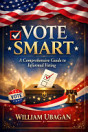
About this ebook
Beginning with a clear explanation of what critical thinking truly means, the book challenges common misconceptions and introduces thinking as an active, structured process. It emphasizes the importance of questioning assumptions, distinguishing between claims and evidence, and recognizing the influence of bias and emotion. Through relatable examples, readers learn how easily the mind can be misled and how awareness of these patterns is the first step toward better reasoning.
As the book progresses, it focuses on the power of asking the right questions. Readers are guided to move beyond surface level thinking by exploring deeper inquiries that uncover meaning, context, and implications. The discussion then expands into understanding arguments, breaking down reasoning into premises and conclusions, and identifying whether ideas are logically sound or flawed. Common logical fallacies are explained in simple terms, helping readers recognize persuasive but misleading arguments in everyday situations.
A major theme of the book is evaluating evidence in an age of information overload. It teaches readers how to assess sources, interpret data, and avoid common mistakes such as confusing correlation with causation. With the modern world flooded by information, the book provides tools for filtering what matters, focusing attention, and turning information into meaningful understanding.
The later chapters shift toward application, showing how critical thinking leads to better decision making. Readers learn how to define problems clearly, consider alternatives, weigh risks, and align decisions with personal values. The book also highlights the importance of open mindedness and intellectual humility, encouraging readers to remain curious, adaptable, and willing to revise their beliefs when faced with new evidence.
Throughout the book, William Ubagan emphasizes that critical thinking is not about being skeptical of everything, but about being thoughtful, deliberate, and fair in judgment. It is presented as a skill that can be developed through practice, reflection, and awareness.
By the end, readers are equipped with a complete framework for thinking more clearly, making better decisions, and navigating a world filled with complexity and competing ideas. The Critical Thinker’s Handbook serves as both a guide and a toolkit, empowering individuals to move from passive acceptance to active understanding in all areas of life.