The Star Chamber: Restored Classics to Go Edition
About this ebook
Discover more
About the author
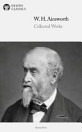
William Harrison Ainsworth was an English novelist and historical storyteller whose vivid imagination helped define the popularity of the Victorian romance. Born in Manchester in 1805 and initially trained for the law, he soon turned decisively toward literature, becoming part of the energetic cultural world of nineteenth-century Britain. Over the course of a long career, he gained wide readership with fast-moving historical narratives that blended pageantry, suspense, crime, and political intrigue, establishing himself as one of the era's most commercially successful writers. His fiction often returns to themes of power, rebellion, social injustice, ambition, and the darker corners of history, using the past not as distant decoration but as a lens through which readers could reflect on authority, violence, and moral consequence. Ainsworth's work remains relevant because it captures how history is shaped by spectacle as much as by fact, and how ordinary lives are often caught in the machinery of law and power. Though once immensely popular, he is now especially valued for the energy of his storytelling and for the way he helped pave the way for later historical novelists and popular crime fiction. Readers who enjoy dramatic historical settings, atmospheric writing, and tales of intrigue with a strong sense of momentum are likely to find Ainsworth especially rewarding.