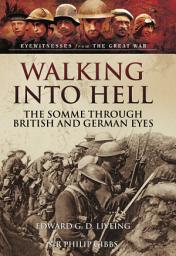
Edward G. D. Liveing
Edward G. D. Liveing, a British author and soldier, emerged as a poignant voice from the trenches of World War I. Born in 1895, Liveing's early life was steeped in the traditions of the British upper-middle class, which he would later juxtapose against the brutal realities of war. Educated at prestigious institutions, he was thrust into the Great War, where his experiences as an infantry subaltern profoundly shaped his worldview and literary output.Liveing's writings are characterized by their raw, unflinching portrayal of the horrors of war, a stark departure from the romanticized notions of heroism prevalent in pre-war literature. His contemporaries and modern readers alike find his work compelling for its authenticity and emotional depth. Liveing's ability to convey the psychological trauma endured by soldiers has earned him a lasting place in the canon of war literature.Controversially, Liveing was outspoken about the incompetence of military leadership and the futility of war, themes that resonated deeply in the post-war period but also attracted criticism from more conservative circles. His candid reflections influenced a generation of writers, including the likes of Siegfried Sassoon and Wilfred Owen, who similarly sought to demystify the war experience.Beyond his literary contributions, Liveing was a vocal advocate for veterans' rights, tirelessly campaigning for better mental health support for returning soldiers. His revolutionary ideas on the psychological impact of combat prefigured modern understandings of PTSD, making him a figure of enduring relevance.Edward G. D. Liveing's legacy is one of courage—both on the battlefield and in his writing. His work continues to resonate, offering a powerful testament to the enduring human spirit amidst the ravages of war.