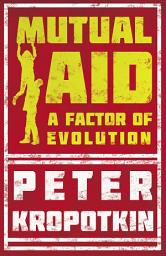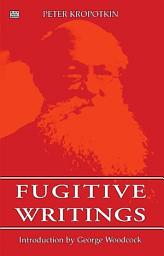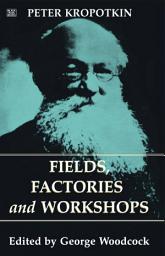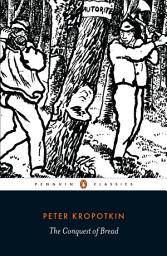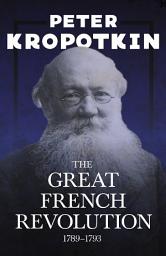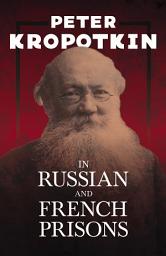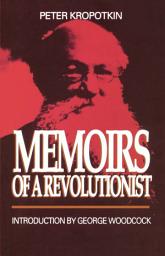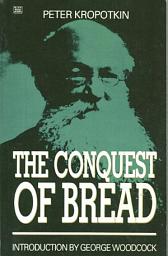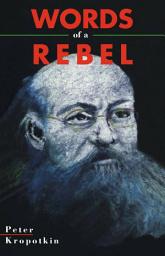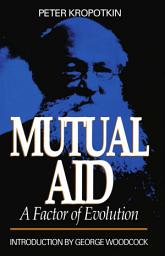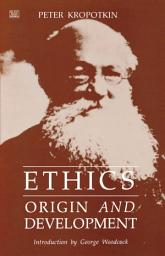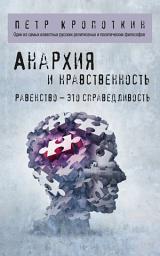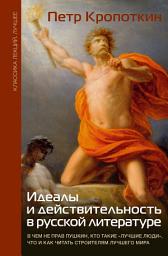
Peter Kropotkin
Petr Alekseevich, kniaz Kropotkin, was a Russian prince turned revolutionary thinker whose life traced an extraordinary path from aristocratic privilege to radical political engagement. Born into a noble family in 1842, he received a rigorous education and first made his mark as a geographer and explorer, traveling through Siberia and the Russian Far East before becoming deeply involved in political dissent. His experiences of imperial bureaucracy, poverty, and social inequality helped shape a body of writing that combined scientific observation with passionate moral conviction. Kropotkin became one of the most influential anarchist thinkers of his era, arguing for a society built not on coercion and hierarchy but on cooperation, mutual aid, and voluntary association. His memoirs, along with his political and social essays, remain powerful because they are both intimate and intellectual: they reveal the making of a revolutionary conscience while challenging readers to rethink competition, authority, and human nature itself. Central to his work is the belief that solidarity is not a weakness but a natural force in human life, a message that feels especially urgent today in an age marked by inequality, political distrust, and social fragmentation. Kropotkin’s legacy endures not only in anarchist and socialist thought but also in broader conversations about community, ethics, and the possibility of more humane forms of social organization. Readers who enjoy memoirs of political awakening, histories of radical ideas, and works that unite adventure, philosophy, and moral urgency will find him especially compelling.
Ebooks