Theodore Roosevelt
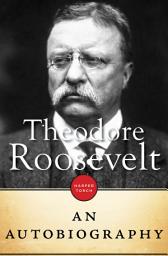
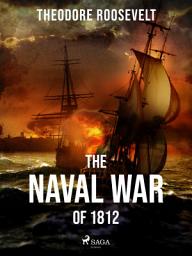
Theodore Roosevelt (1858–1919) was not only the twenty-sixth President of the United States but also a distinguished author, historian, and naturalist. His profound interest in military affairs was evidenced through his writings, such as 'The Naval War of 1812' (1882), a historical work which offered a detailed analysis of the naval aspects of the War of 1812. Notably, this publication positioned Roosevelt as a serious historian, receiving praise for its scholarly rigor and attention to primary source material. Beyond his historical contributions, Roosevelt's literary style encapsulated his energetic personality and versatile intellect, with prose that ranged from the didactic to the narrative-driven exploration of American virtues and values. Roosevelt's advocacy for the 'strenuous life' and his participation in the Rough Riders during the Spanish-American War further illuminated his literary works, crowning him not just as a political figure but as a potent voice in the cultural and intellectual fabric of the early 20th century America. His rich legacy endures not only in the realm of politics, but equally so in the annals of American literature and historiography.
Ebooks