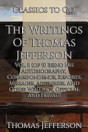
The Writings Of Thomas Jefferson: Restored Classics to Go Edition
About this ebook
Discover more
About the author
Thomas Jefferson was born in 1743 in colonial Virginia and came of age in the turbulent years that led to the American Revolution. A lawyer, planter, political thinker, diplomat, governor, president, and lifelong student of ideas, he helped shape the founding of the United States while also leaving behind a vast body of letters, reports, speeches, and reflections that reveal the depth and contradictions of his mind. He is best remembered as one of the principal architects of American liberty and self-government, a writer whose eloquence helped define the language of independence, civic virtue, and republican ideals. Yet his legacy is also marked by tension, especially between his soaring language about equality and the realities of slavery in his own life and era. Jefferson's writings continue to matter because they capture enduring questions about democracy, education, religious freedom, the balance of power, and the responsibilities of citizenship. Readers today still turn to him not only for historical insight but for a vivid record of how ideals are forged, tested, and compromised in public life. He remains significant as both a founder and a thinker whose work invites admiration, scrutiny, and debate. Those interested in American history, political philosophy, constitutional ideas, and the complex lives of public figures will find Jefferson especially rewarding to read.